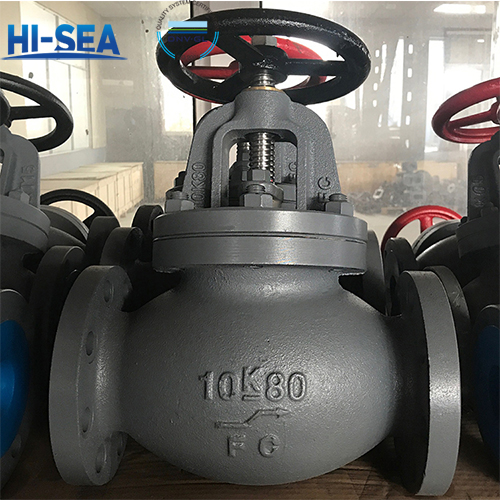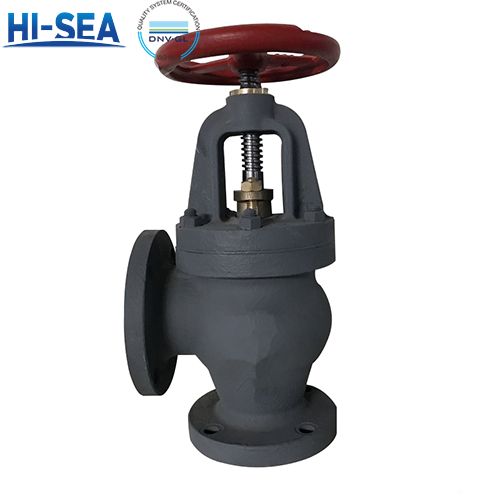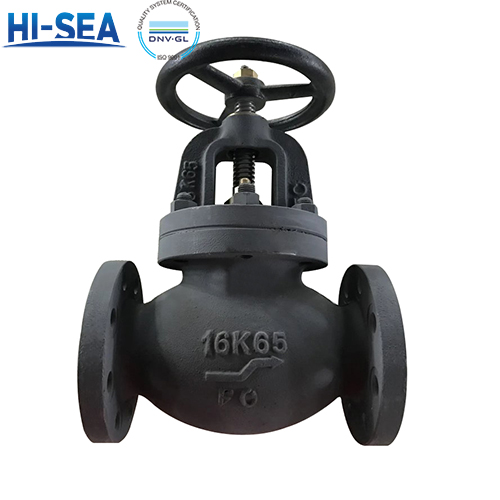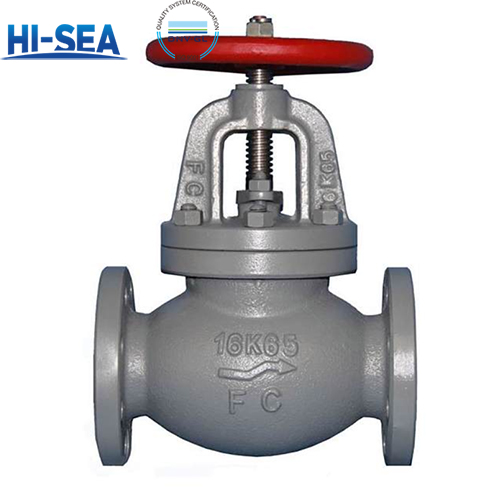
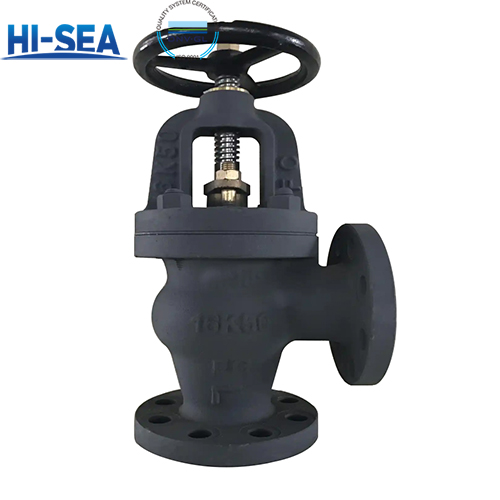
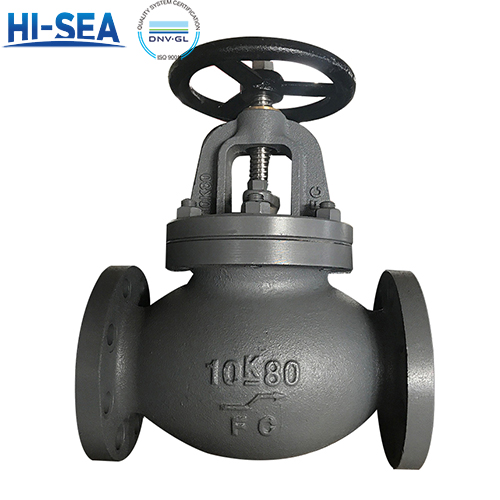
JIS F7307 Globe Valve
This page focuses on solving the selection challenges of JIS F7307 gate valves, without repeating basic parameters. We have outlined a clear and practical four-step selection decision-making process for you: from analyzing your specific operating conditions (medium, temperature, pressure), to determining the connection method and operating mode, and then to selecting key internal components and special configurations. Whether you are dealing with corrosive seawater, high-temperature steam, or complex industrial fluids, this guide will help you step by step to determine the most suitable and reliable valve specifications, making it a core decision-making tool for engineering selection.
Overview
How to Choose the Right JIS F7307 Gate Valve for Your System
Step 1: Determine Critical Operating Conditions (This is the foundation for all selections)
Media:
Common fluids (water, air, oil): Cast iron is an economical and reliable choice.
Corrosive fluids (seawater, weak acids, alkalis): Stainless steel (e.g., CF8/304, CF8M/316) or bronze valve bodies/internals must be selected.
High-temperature steam (>200°C): Cast steel (WCB) is required, and attention should be paid to whether the packing (e.g., graphite) can withstand high temperatures.
Temperature & Pressure: Based on the maximum operating pressure and highest operating temperature of the system design, refer to the valve's pressure-temperature rating table to confirm whether the selected valve class (e.g., 10K, 16K) is sufficient. Remember: Operating pressure decreases as temperature increases.
Step 2: Define Connection and Actuation Requirements
Connection Method (End Connection):
Flanged Connection: 99% of JIS F7307 valves use flanged connections. Confirm that your pipe flange standards match.
Butt-Welded Connection: For extremely high pressure or zero-leakage requirements, butt-welded valves can be explored, but this usually requires customization.
Operation Method:
Manual: Suitable for infrequent operation and ample space. Confirm handwheel size and required operating torque.
Gearbox: Used when valve diameter is large (typically DN≥200) or pressure results in excessive operating torque.
Pneumatic/Electric Actuator: Suitable for applications requiring remote control, frequent adjustment, or integration into automation systems. Confirm air/power supply parameters and select valves with appropriate interfaces.
Step 3: Select Valve Internals and Special Configurations
Disc & Seat:
Standard Type: Cast iron/cast steel valve body with bronze or stainless steel disc, meeting most shut-off requirements.
Hard-seal type: Valve disc and seat are overlaid with Stellite alloy, suitable for high-temperature, high-pressure media containing solid particles or easily eroded media, offering a longer service life.
Stem: Standard type: Stainless steel stem.
Step 4: Comprehensive Decision-Making and Verification After completing the above three steps, you will have a clear procurement specification. Before final confirmation, please check this list:
Does the diameter (DN) match the pipeline?
Does the pressure rating (10K/16K) meet the operating conditions?
Are the valve body and internal component materials resistant to the media?
Can the flange standard (JIS) be directly connected?
Does the operating method meet the site requirements?
Are special certifications required (such as fire protection certification, classification society certification)?
Reference Picture